Introduction to Tourism in Bulgaria
Bulgaria is a relatively new destination for tourism, but its resorts and holiday spots have been attracting increasing numbers of visitors. The country’s modern seaside resorts along the Black Sea coast are now considered among the best in the world. Tourists, motorists, and holidaymakers come to Bulgaria not only to relax but also to enjoy health treatments and cures offered at mineral springs and spa resorts Walking Guided Tours Sofia.
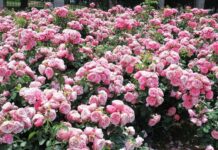
The natural beauty of Bulgaria adds greatly to its appeal. The Alpine landscapes of the Rila and Pirin Mountains feature snow-capped peaks, clear mountain lakes, and sunny clearings among virgin forests of pine, oak, and beech trees. The Valley of Roses, famous for its aromatic flowers, is another attraction that draws visitors from around the world. In addition, Bulgaria’s rich supply of fresh fruits and vegetables, full of vitamins, makes holidays in the country even more enjoyable.
Modern Infrastructure and Travel
Bulgaria has modern highways linking all cities, tourist resorts, and places of interest. Roads are well-paved or asphalted and marked for easy navigation. One major international route, the Belgrade–Sofia–Istanbul highway, connects Europe, the Near East, and Asia. This route is particularly convenient because it is 363 kilometers shorter than the alternate route via Nish, Skopje, Thessalonica, and Istanbul.
The number of international visitors to Bulgaria has been steadily rising, reaching about 200,000 per year. Travel and visa formalities are simple and designed to make it easy for tourists to visit. A growing network of modern hotels, restaurants, mountain chalets, and tourist rest homes ensures that visitors have comfortable accommodation. Along the roads, there are petrol stations, garages, repair shops, and other services to support motorists and travelers.
Sofia – The Capital City
The Bulgarian capital, Sofia, is located on the southern side of the Sofia Plain, bordered by the Balkan Range to the north and Vitosha Mountain to the south. The city’s southern suburbs stretch to the foothills of the Vitosha and Lyulin Mountains, while the eastern suburbs reach the Iskar River Cinema Broadcasting Literature and Sports in Bulgaria.
Sofia’s location at the crossroads of North–South and East–West routes, including the major international highway Belgrade–Sofia–Plovdiv–Istanbul, makes it an important center for transport and trade. Fertile plains, surrounding highlands, and several mineral springs with curative waters have supported the city’s growth as a thriving economic, industrial, cultural, and tourist hub.
Economic and Cultural Significance
Sofia is home to one-tenth of Bulgaria’s population and contributes about one-fifth of the country’s industrial output. The city is the main center for culture, science, and art, hosting theaters, museums, universities, and research institutions. Its combination of modern infrastructure, natural surroundings, and cultural heritage makes Sofia an attractive destination for both domestic and foreign visitors.
Bulgaria’s combination of scenic landscapes, modern resorts, rich cultural life, and accessible infrastructure makes it a growing center for tourism in Europe and beyond. Every year, the country welcomes more visitors who come to enjoy its mountains, seas, spas, and cities like Sofia, creating a vibrant tourist industry that continues to expand.